Interviews
Interviews about "Mikan Ve'eylakh" and diasporic Hebrew
"Tal Hever-Chybowski (Berlin-Paris) — Makom Aher"
The question of what to call this phenomenon became a key question — exilic Hebrew? World Hebrew? Global Hebrew? Hever-Chybowski discusses his emigration from Jerusalem to Berlin, his journey toward reclaiming Hebrew as a diasporic language, and the founding of Mikan Ve'eylakh after seven years of research.
"Hebrew Has the Right to Exist on European Soil"
Hebrew has its place here, in a Europe that must accept it and give it the possibility of existing on its soil. We speak of Yiddish as a language that has been murdered in Europe, but this is also the case for Hebrew.

"Reclaiming a Minor Literature"
The journal explicitly frames Hebrew as 'minor literature' and 'minority language' — rejecting manifestos or liberation strategies that typically transform into oppressive instruments. Publishing under Yiddish institutional auspices reinforces this commitment against recovering Hebrew as powerful performance.
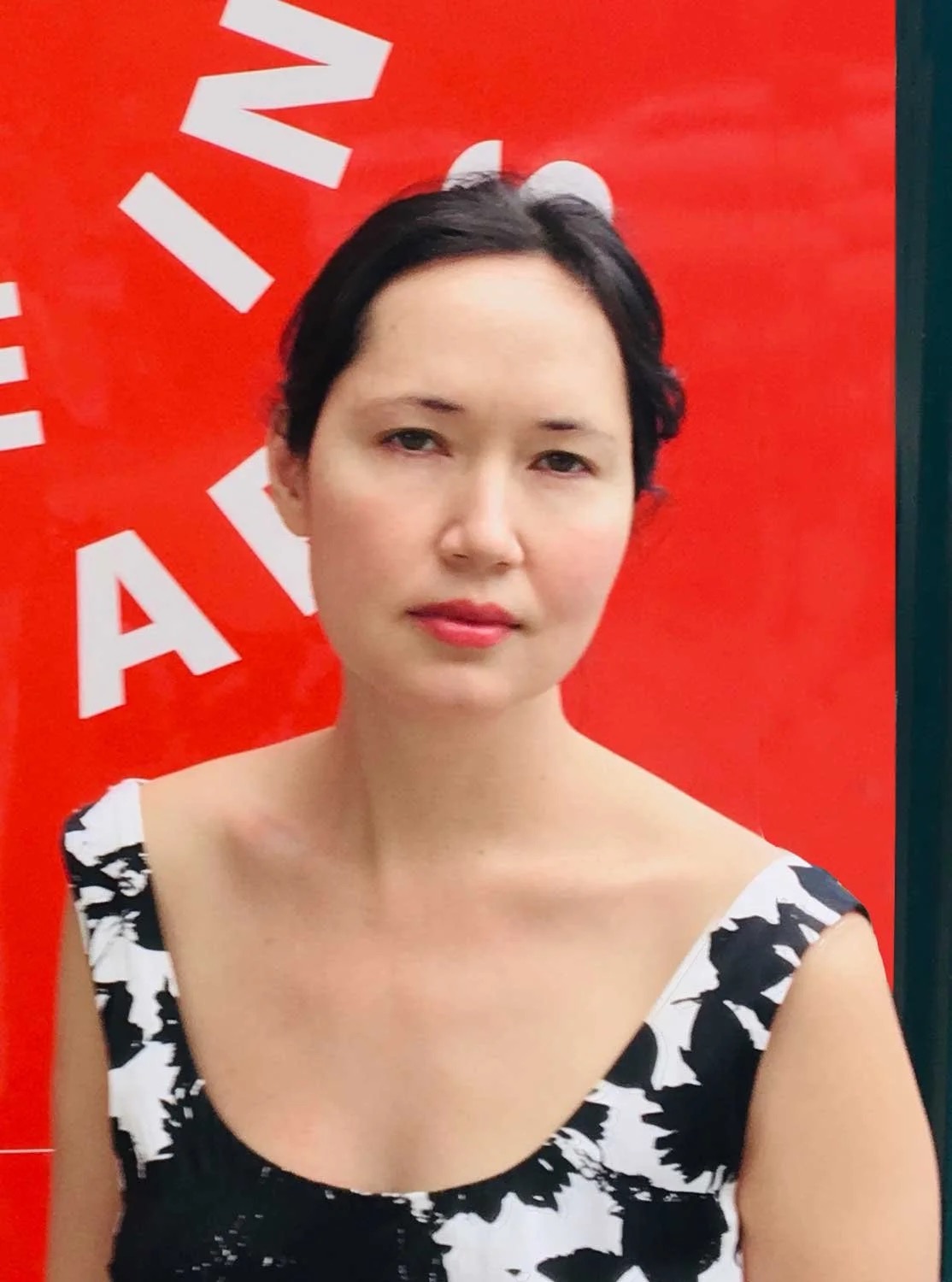
"Tal Hever-Chybowski — The Creative Process"
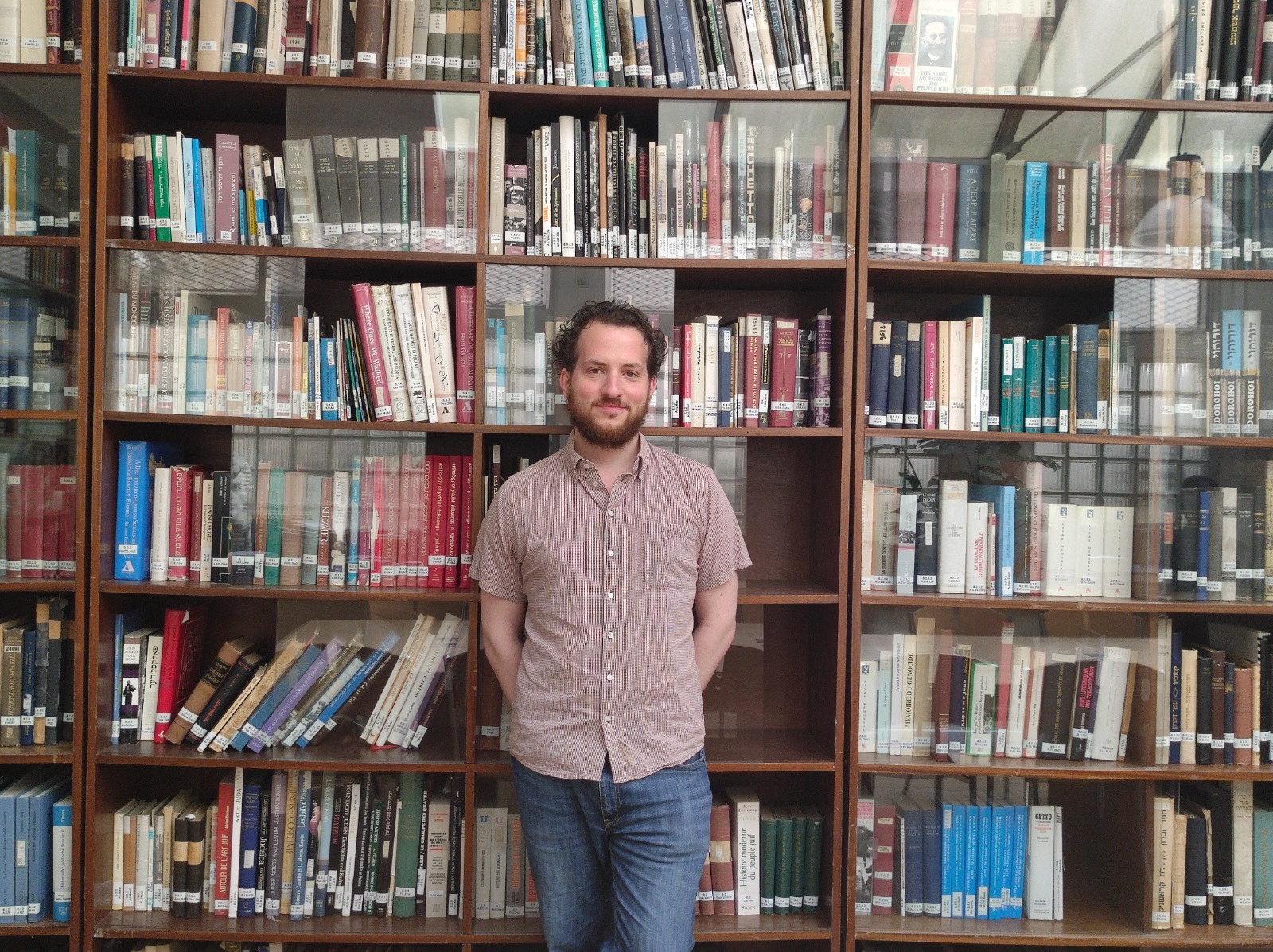
Tal Hever-Chybowski directs the Paris Yiddish Center (Maison de la Culture Yiddish) and the Medem Library. In this conversation he discusses Yiddish culture, Jewish diaspora, the preservation of Yiddish and Hebrew heritage, and the founding of Mikan Ve'eylakh.
"Mikan Ve'eylakh — Interview on Radio Sefarad"
An English-language radio interview on Radio Sefarad, where Hever-Chybowski discusses the journal and the prenumeranten method used to finance its second issue.
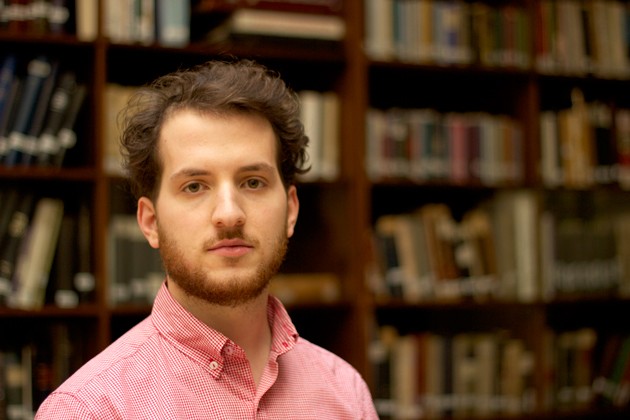
"Tal Hever-Chybowski Dreams of Hebrew as a Language Without a State, Army, Police or Bureaucracy"
The goal of 'Mikan Ve'eylakh' is to gather the Hebrew places scattered in time and space, not in the sense of an 'ingathering of exiles' to a single territory, but in the sense of gathering around a shared text, creating a discourse that connects the scattered points.
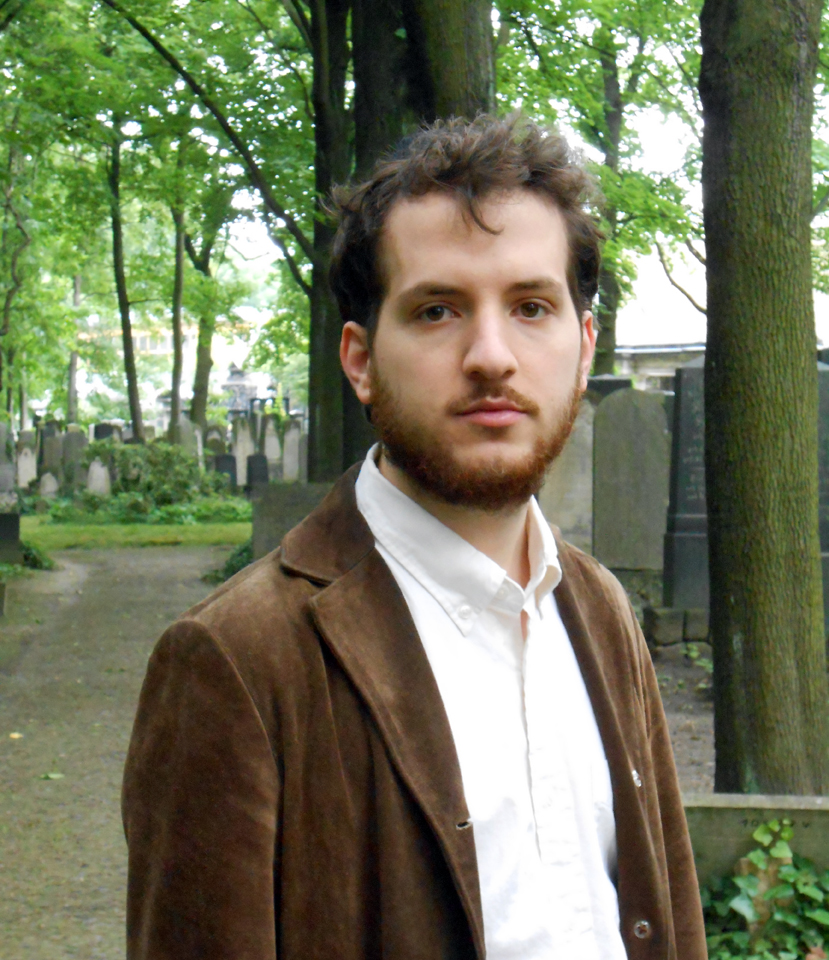
"The Borders of Language"
A new journal called 'Mikan Ve'eylakh,' about to be published in Berlin, seeks to challenge the appropriation of Hebrew by the State of Israel. Tal Hever-Chybowski, its founder and editor, explains why this is necessary.
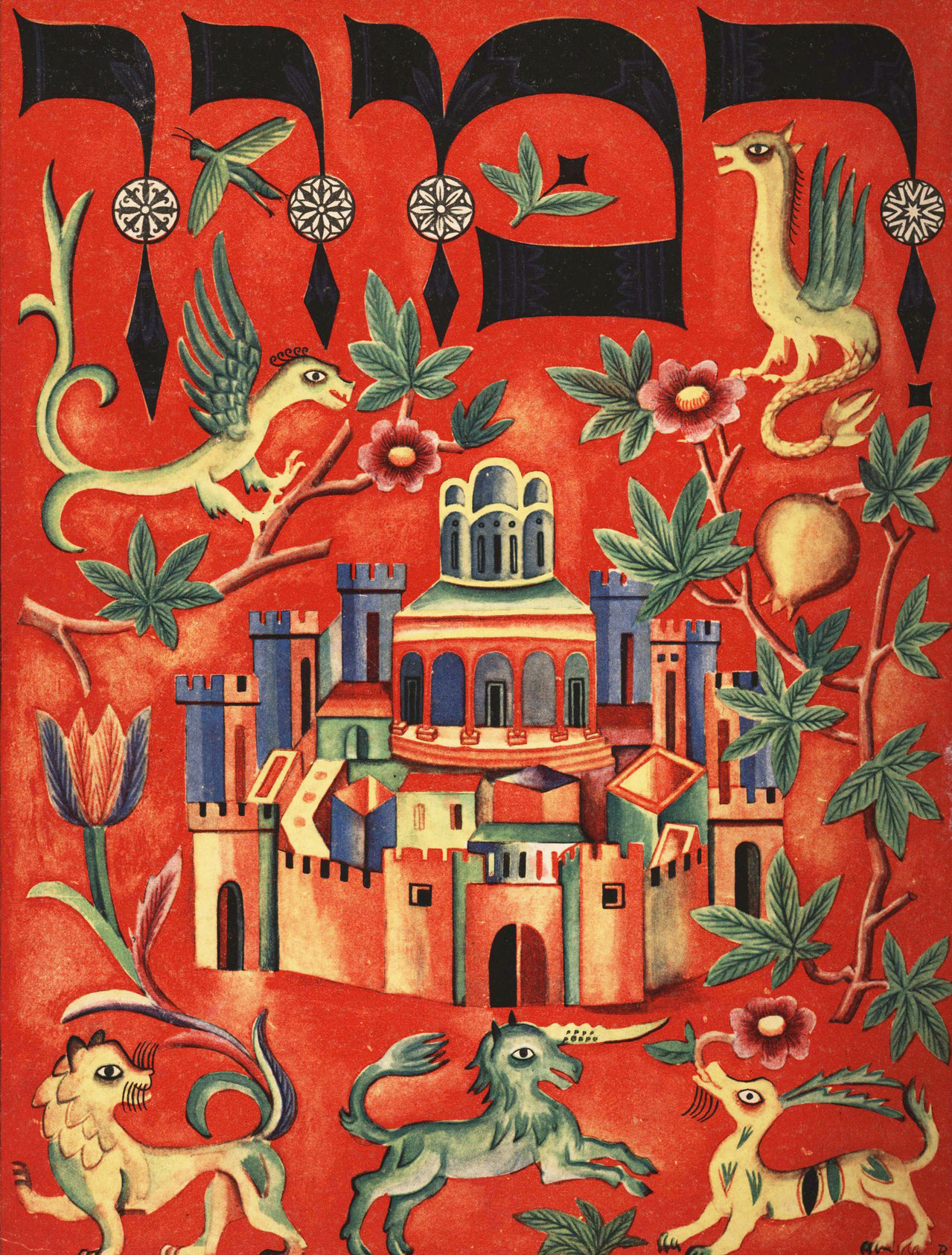
"Diasporic Hebrew: A Conversation with Tal Hever-Chybowski"
Hebrew has always been a language in flux, in negotiation. It is commonly thought that Hebrew was the language of the Zionists while Yiddish was the language of the Bund. The picture is more complex, and has a longer history. Speaking and writing in Hebrew have always been, at least in the last three hundred years, at the heart of Jewish discourse here.